
Takashi Homma - Portrait of J
Portrait of J joins the rich tradition of socially engaged portraiture, echoing seminal works such as August Sander’s Face of Our Time, Irving Penn’s Small Trades, and, more recently, Wolfgang Tillmans’s Portraits, Rineke Dijkstra’s studies of adolescents and Paul Graham’s End of an Age. In Japan, similar approaches resonate in the work of Shomei Tomatsu, whose postwar portraits offered intimate glimpses into daily life; Yoshihiko Ueda’s Portrait, which documented leading cultural figures; and Hiroh Kikai’s Asakusa Portraits, as well as Issei Suda’s Tokyo-kei and Katsumi Watanabe’s Shinjuku Guntōden 66/73—all of which captured the individuality and quiet dignity of anonymous Tokyoites.
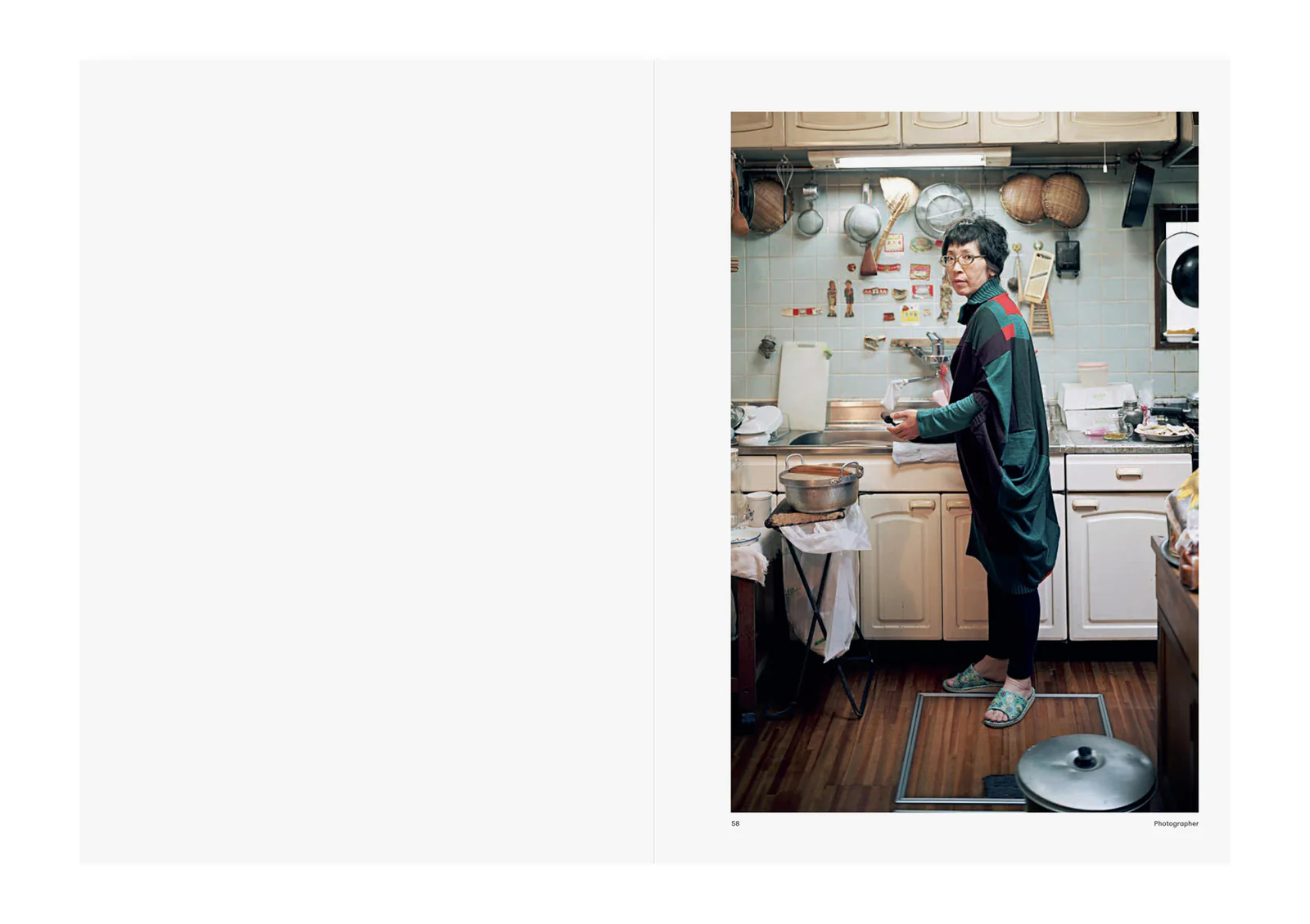
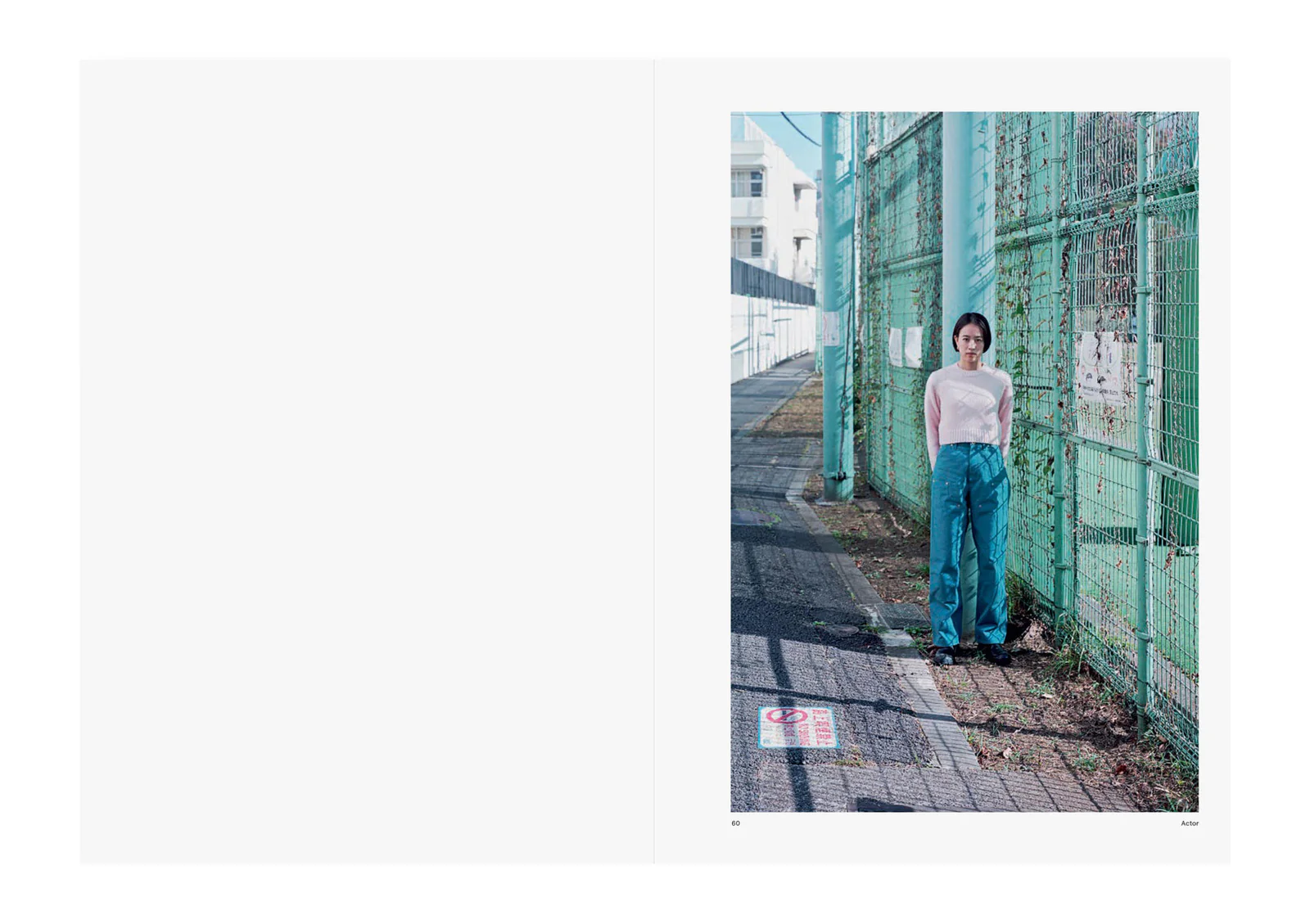
What distinguishes Portrait of J is its intentional focus on ordinary individuals photographed with the same care and reverence often reserved for cultural icons. Shot across a variety of familiar, recognizable locations, mainly in urban environments, Homma’s portraits have an illuminating quality that reveal a psychological depth in their subjects. His approach is less overtly political than Tomatsu’s, more nationally reflective than Kikai’s or Watanabe’s, and more humanistic than Ueda’s. His portraits are guided by empathy and a desire to observe people as they are—free from manipulation or staging. The result is a more inclusive, nuanced visual representation of Japanese identity—expanding the lens through which Japanese people are seen both within Japan and internationally.
While Japan has long fascinated audiences in the U.S., Europe, and beyond—often admired for its aesthetics, traditions, and technological innovation—the lived realities of its people are often idealized, misunderstood, or overlooked. Portrait of J is especially meaningful in that it offers a platform for a Japanese photographer to speak directly, intentionally, and reflectively through his work—presenting a grounded and authentic portrait of contemporary Japan.
At once systematic and deeply personal, Portrait of J is a quiet yet powerful milestone in Takashi Homma’s enduring career—and a poignant, timely archive of the people who shape Japan today.
Published by Dashwood Books and Session Press
First Edition September 2025
Hardcover
232 pages
20 x 28 cm
Photo and Edit by Takashi Homma
Production Assistant by Reina Kubota
Design by Gilles Gavillet at Gavillet & Cie in Switzerland
Printed by Walter F. Abrigo at Musumeci, Italy
ISBN: 9780999124529
© Dashwood Books / Session Press
Original: $64.45
-65%$64.45
$22.56More Images




Takashi Homma - Portrait of J
Portrait of J joins the rich tradition of socially engaged portraiture, echoing seminal works such as August Sander’s Face of Our Time, Irving Penn’s Small Trades, and, more recently, Wolfgang Tillmans’s Portraits, Rineke Dijkstra’s studies of adolescents and Paul Graham’s End of an Age. In Japan, similar approaches resonate in the work of Shomei Tomatsu, whose postwar portraits offered intimate glimpses into daily life; Yoshihiko Ueda’s Portrait, which documented leading cultural figures; and Hiroh Kikai’s Asakusa Portraits, as well as Issei Suda’s Tokyo-kei and Katsumi Watanabe’s Shinjuku Guntōden 66/73—all of which captured the individuality and quiet dignity of anonymous Tokyoites.
What distinguishes Portrait of J is its intentional focus on ordinary individuals photographed with the same care and reverence often reserved for cultural icons. Shot across a variety of familiar, recognizable locations, mainly in urban environments, Homma’s portraits have an illuminating quality that reveal a psychological depth in their subjects. His approach is less overtly political than Tomatsu’s, more nationally reflective than Kikai’s or Watanabe’s, and more humanistic than Ueda’s. His portraits are guided by empathy and a desire to observe people as they are—free from manipulation or staging. The result is a more inclusive, nuanced visual representation of Japanese identity—expanding the lens through which Japanese people are seen both within Japan and internationally.
While Japan has long fascinated audiences in the U.S., Europe, and beyond—often admired for its aesthetics, traditions, and technological innovation—the lived realities of its people are often idealized, misunderstood, or overlooked. Portrait of J is especially meaningful in that it offers a platform for a Japanese photographer to speak directly, intentionally, and reflectively through his work—presenting a grounded and authentic portrait of contemporary Japan.
At once systematic and deeply personal, Portrait of J is a quiet yet powerful milestone in Takashi Homma’s enduring career—and a poignant, timely archive of the people who shape Japan today.
Published by Dashwood Books and Session Press
First Edition September 2025
Hardcover
232 pages
20 x 28 cm
Photo and Edit by Takashi Homma
Production Assistant by Reina Kubota
Design by Gilles Gavillet at Gavillet & Cie in Switzerland
Printed by Walter F. Abrigo at Musumeci, Italy
ISBN: 9780999124529
© Dashwood Books / Session Press
Product Information
Product Information
Shipping & Returns
Shipping & Returns
Description
Portrait of J joins the rich tradition of socially engaged portraiture, echoing seminal works such as August Sander’s Face of Our Time, Irving Penn’s Small Trades, and, more recently, Wolfgang Tillmans’s Portraits, Rineke Dijkstra’s studies of adolescents and Paul Graham’s End of an Age. In Japan, similar approaches resonate in the work of Shomei Tomatsu, whose postwar portraits offered intimate glimpses into daily life; Yoshihiko Ueda’s Portrait, which documented leading cultural figures; and Hiroh Kikai’s Asakusa Portraits, as well as Issei Suda’s Tokyo-kei and Katsumi Watanabe’s Shinjuku Guntōden 66/73—all of which captured the individuality and quiet dignity of anonymous Tokyoites.
What distinguishes Portrait of J is its intentional focus on ordinary individuals photographed with the same care and reverence often reserved for cultural icons. Shot across a variety of familiar, recognizable locations, mainly in urban environments, Homma’s portraits have an illuminating quality that reveal a psychological depth in their subjects. His approach is less overtly political than Tomatsu’s, more nationally reflective than Kikai’s or Watanabe’s, and more humanistic than Ueda’s. His portraits are guided by empathy and a desire to observe people as they are—free from manipulation or staging. The result is a more inclusive, nuanced visual representation of Japanese identity—expanding the lens through which Japanese people are seen both within Japan and internationally.
While Japan has long fascinated audiences in the U.S., Europe, and beyond—often admired for its aesthetics, traditions, and technological innovation—the lived realities of its people are often idealized, misunderstood, or overlooked. Portrait of J is especially meaningful in that it offers a platform for a Japanese photographer to speak directly, intentionally, and reflectively through his work—presenting a grounded and authentic portrait of contemporary Japan.
At once systematic and deeply personal, Portrait of J is a quiet yet powerful milestone in Takashi Homma’s enduring career—and a poignant, timely archive of the people who shape Japan today.
Published by Dashwood Books and Session Press
First Edition September 2025
Hardcover
232 pages
20 x 28 cm
Photo and Edit by Takashi Homma
Production Assistant by Reina Kubota
Design by Gilles Gavillet at Gavillet & Cie in Switzerland
Printed by Walter F. Abrigo at Musumeci, Italy
ISBN: 9780999124529
© Dashwood Books / Session Press